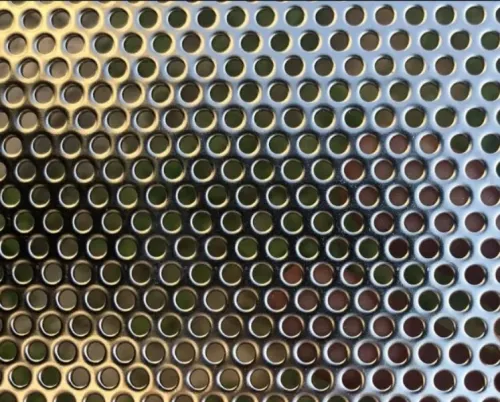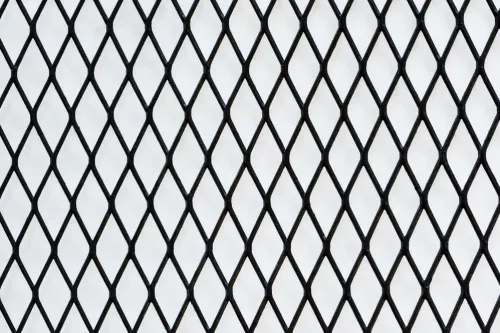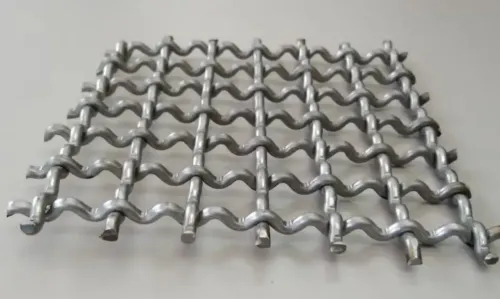


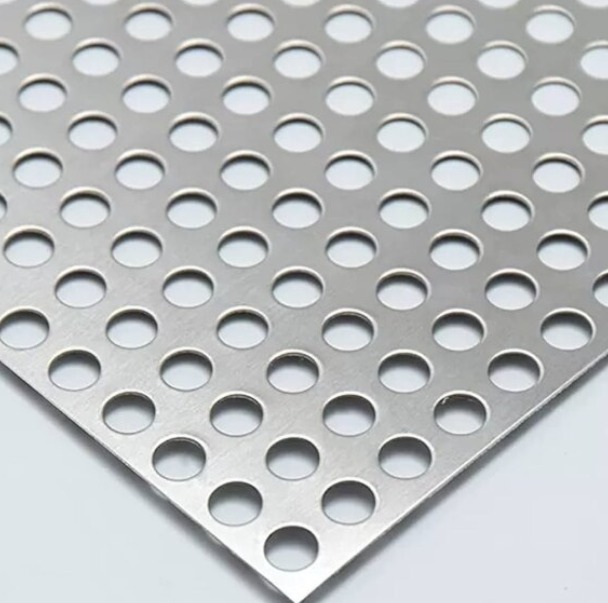
Perforated metal sheets are widely used across manufacturing, engineering, construction, food processing, automotive and architectural applications. Their combination of strength, controlled open area and flexibility makes them suitable for applications where airflow, filtration, screening, protection or visual appeal is required.
For industrial buyers in Pune, Maharashtra, understanding how perforated sheets differ by material, hole pattern, thickness and open area can make product selection much easier.
What Is a Perforated Metal Sheet?
A perforated metal sheet is manufactured by creating a controlled pattern of holes in a metal sheet. Depending on the intended application, the perforations may be round, square, rectangular, slotted or custom-shaped.
The sheet retains the structural properties of metal while allowing air, light, liquids or smaller particles to pass through. This makes perforated sheets useful in applications where a completely solid sheet would restrict functionality.
Common Applications in Pune Industries
Pune has a large base of engineering, automotive, fabrication and industrial manufacturing businesses. Perforated sheets can serve several requirements within these sectors, including:
- Machine guards and protective covers
- Industrial screens and sieves
- Air ventilation panels
- Filters and separators
- Acoustic panels
- Equipment enclosures
- Cable and component protection
- Architectural façades
- Ceiling and interior panels
- Food and grain processing equipment
Industrial areas such as Bhosari, Talawade, Dehu and Pimpri Chinchwad have particularly diverse fabrication requirements, making correct perforation specifications important.
Why Material Selection Matters
The appropriate metal depends largely on operating conditions.
Mild steel is commonly selected for general fabrication where economical strength is important.
Stainless steel is preferred when corrosion resistance, hygiene or durability is a priority. It is frequently considered for food processing, pharmaceutical and chemical environments.
Aluminium offers lower weight along with good corrosion resistance, making it useful for architectural and lightweight engineering applications.
Other materials may also be considered according to technical requirements.
Understanding Hole Size and Open Area
Hole diameter alone does not determine how a perforated sheet performs. Pitch, pattern and percentage of open area are equally important.
A higher open area can improve airflow, drainage or material passage, but excessive perforation may affect sheet rigidity. Conversely, a lower open area can provide greater structural strength while reducing flow.
This balance is especially important for filters, screens, ventilation systems and industrial equipment.
Choosing the Right Specification
Before ordering perforated sheets, buyers should define:
- Sheet material
- Sheet thickness
- Hole shape
- Hole diameter or dimensions
- Pitch or centre-to-centre spacing
- Perforation pattern
- Required open area
- Sheet dimensions
- Quantity
- End application
Providing application details can also help a manufacturer understand whether the proposed specification is practical.
Shree Mahalaxmi Perforators serves industrial requirements involving perforated metal products in Pune and surrounding manufacturing regions. For buyers, selecting perforated sheets based on actual operating conditions rather than simply choosing a standard hole size can improve functionality, durability and fabrication efficiency.