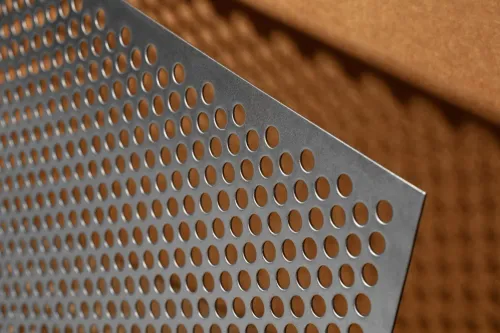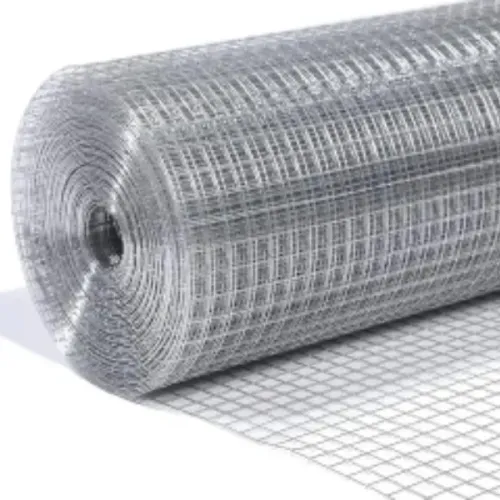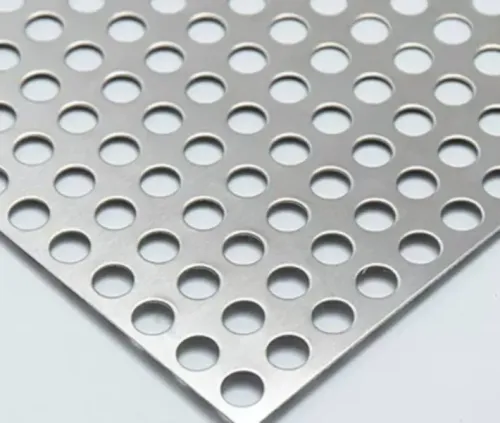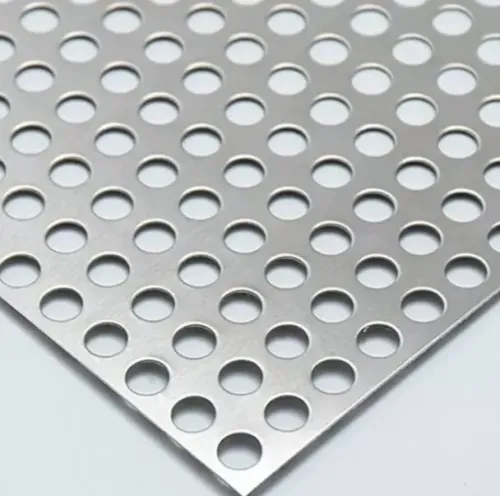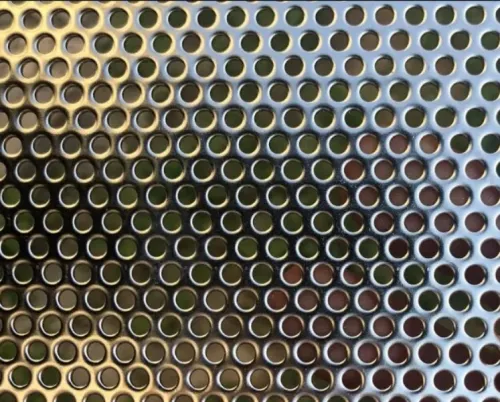
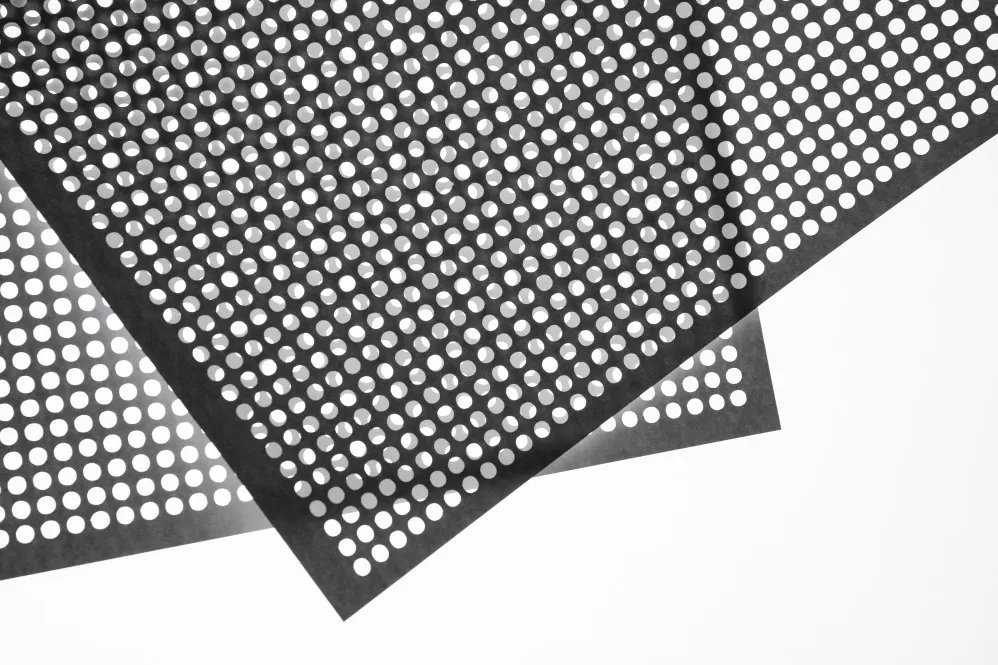
Choosing a perforated sheet manufacturer is not simply about finding someone who can punch holes into metal. Industrial buyers need consistent dimensions, suitable materials, accurate perforation patterns and dependable manufacturing quality. A small variation in hole size, pitch or sheet thickness can affect airflow, filtration, screening and fabrication performance.
For manufacturers, fabricators and engineering companies in Pune, Maharashtra, evaluating these factors before placing an order can reduce rework and improve the performance of the finished component.
Start With Your Application Requirements
A reliable selection process begins with the end use. A perforated sheet required for a machine guard will have different specifications from one used for filtration or material separation.
Before requesting a quotation, identify:
- Type of metal required
- Sheet thickness
- Overall sheet dimensions
- Hole shape and size
- Pitch or centre-to-centre distance
- Perforation arrangement
- Required open area
- Quantity
- End application
Providing complete information allows the manufacturer to understand the requirement accurately.
Check Material Options
Industrial applications may require mild steel, stainless steel, aluminium or another suitable metal.
Stainless steel perforated sheets are often selected for applications where corrosion resistance, hygiene or exposure to moisture is important. Mild steel may be suitable for general engineering and fabrication, while aluminium can be considered where lower weight is desirable.
The manufacturer should be able to discuss material suitability based on operating conditions rather than treating every application the same way.
Look at Perforation Capabilities
Not every project requires standard round holes.
Depending on the application, buyers may need round, square, rectangular or slotted perforations. Hole dimensions and pitch can also vary significantly.
This becomes particularly important for industrial customers in Bhosari, Talawade, Dehu and Pimpri Chinchwad, where sheets may form part of custom machinery or fabricated assemblies.
Evaluate Dimensional Consistency
Consistency matters when perforated sheets are used in repeated production.
Irregular perforation spacing or inconsistent dimensions may create problems during assembly, bending, welding or fitting. Buyers should therefore consider whether the manufacturer can maintain repeatable specifications across the required quantity.
Discuss Secondary Fabrication Requirements
A perforated sheet may require additional processing before it becomes a finished component.
Depending on the project, this could include cutting, bending, forming or other fabrication operations. Clarifying these requirements at the beginning helps avoid ordering sheets that later prove difficult to integrate into the final product.
Consider Communication and Technical Understanding
Industrial purchasing often involves more than sending a size and receiving a quotation.
A manufacturer who understands perforation terminology can help clarify whether the specified combination of hole size, pitch and thickness is practical.
Shree Mahalaxmi Perforators works with perforated metal requirements for customers in Pune and other industrial regions of Maharashtra. For buyers evaluating suppliers, the strongest indicator is whether the manufacturer can understand the intended application and translate it into a workable sheet specification.
Price remains important, but perforation accuracy, material suitability and production consistency should carry equal weight. A well-selected perforated sheet can reduce fabrication complications and perform more reliably in its intended application.
Keywords